
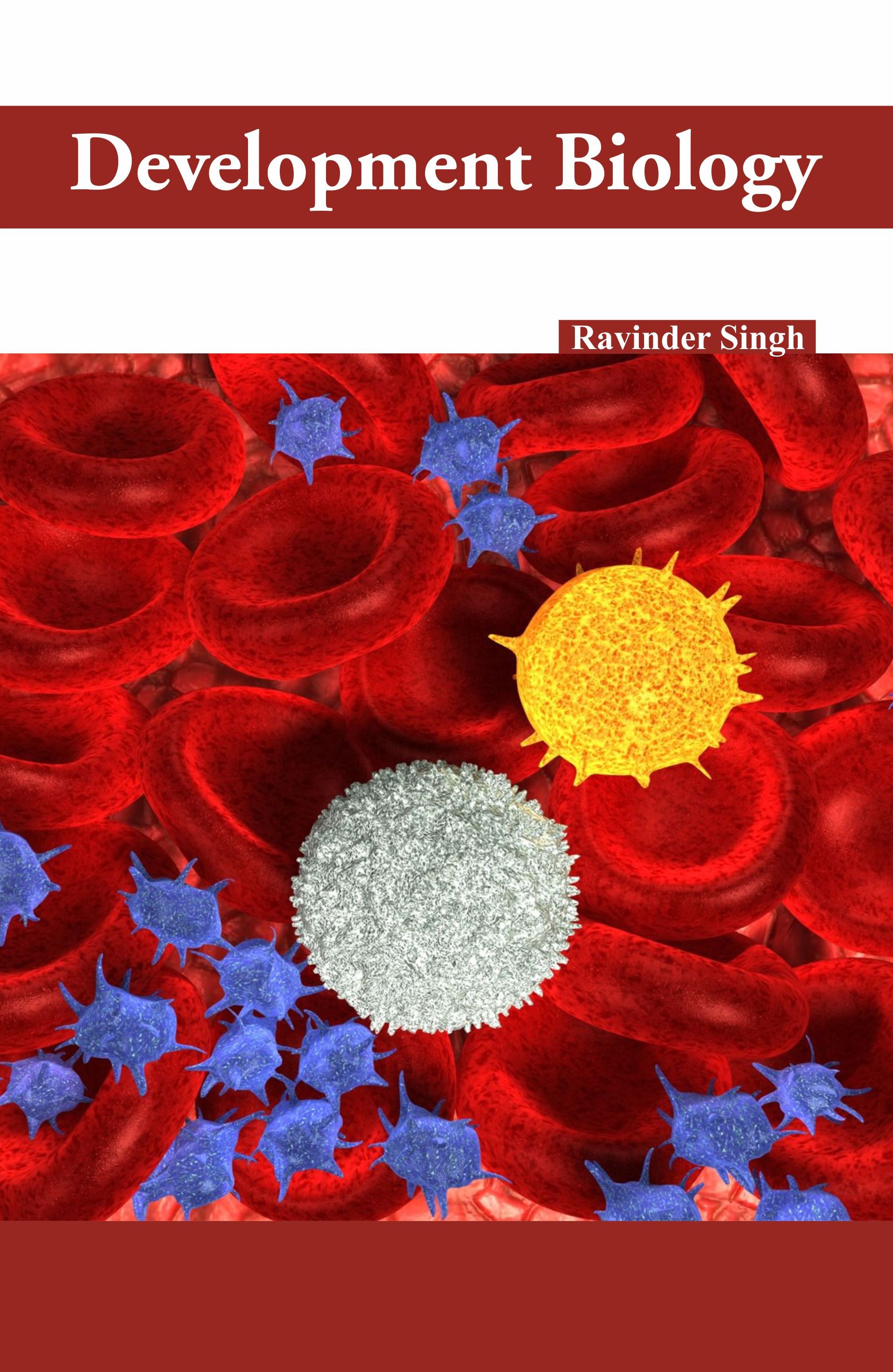
Developmental biology is the study of the process by which organisms grow and develop. Modern developmental biology studies the genetic control of cell growth, differentiation and "morphogenesis," which is the process that gives rise to tissues, organs and anatomy. Embryology is a subfield, the study of organisms between the one-cell stage (generally, the zygote) and the end of the embryonic stage, which is not necessarily the beginning of free living. Embryology was originally a more descriptive science until the 20th century. Embryology and developmental biology today deal with the various steps necessary for the correct and complete formation of the body of a living organism. The related field of evolutionary developmental biology was formed largely in the 1990s and is a synthesis of findings from molecular developmental biology and evolutionary biology which considers the diversity of organismal form in an evolutionary context. The findings of developmental biology can help to understand developmental malfunctions such as chromosomal aberrations, for example, Down syndrome.
Ravinder Singh is an Assistant Professor Department of Biotechnology at Chandigarh University, Mohali, Punjab. Dr. Ravinder Singh has completed Ph.D. in Stress Biology from Guru Nanak Dev University, Amritsar. Dr. Singh has qualified ICAR-NET, GATE, and UGC-BSR Fellowship. He has teaching and research experiences of 10 years and published many research and review articles in reputed international journals. This broad area of research is Stress biology, environmental biology and molecular biology.
1. Introduction to Developmental Biology,
2. Basics of Embryology
3. Gametogenesis
4. Fertilization: Parthenogenesis, and Evolution of Viviparity
5. Cleavage, Morulation and Blastulation
6. Gastrulation
7. Metabolic and Molecular Changes During Gastrulation
8. Embryonic Induction: Primary Organizer,Differentiation and Competence
9. Organogenesis and Growth
10. Regeneration, Teraogenesis, Sensescence and Ageing
11. Extraembryonic Membranes and Development of Chick Embryo Up To 96 Hours
12. Placentation in Mammals
13. Mechanism of Assisted Reproductive Technology
Bibliography
Appendix A,
Appendix B
Index

$280.00