
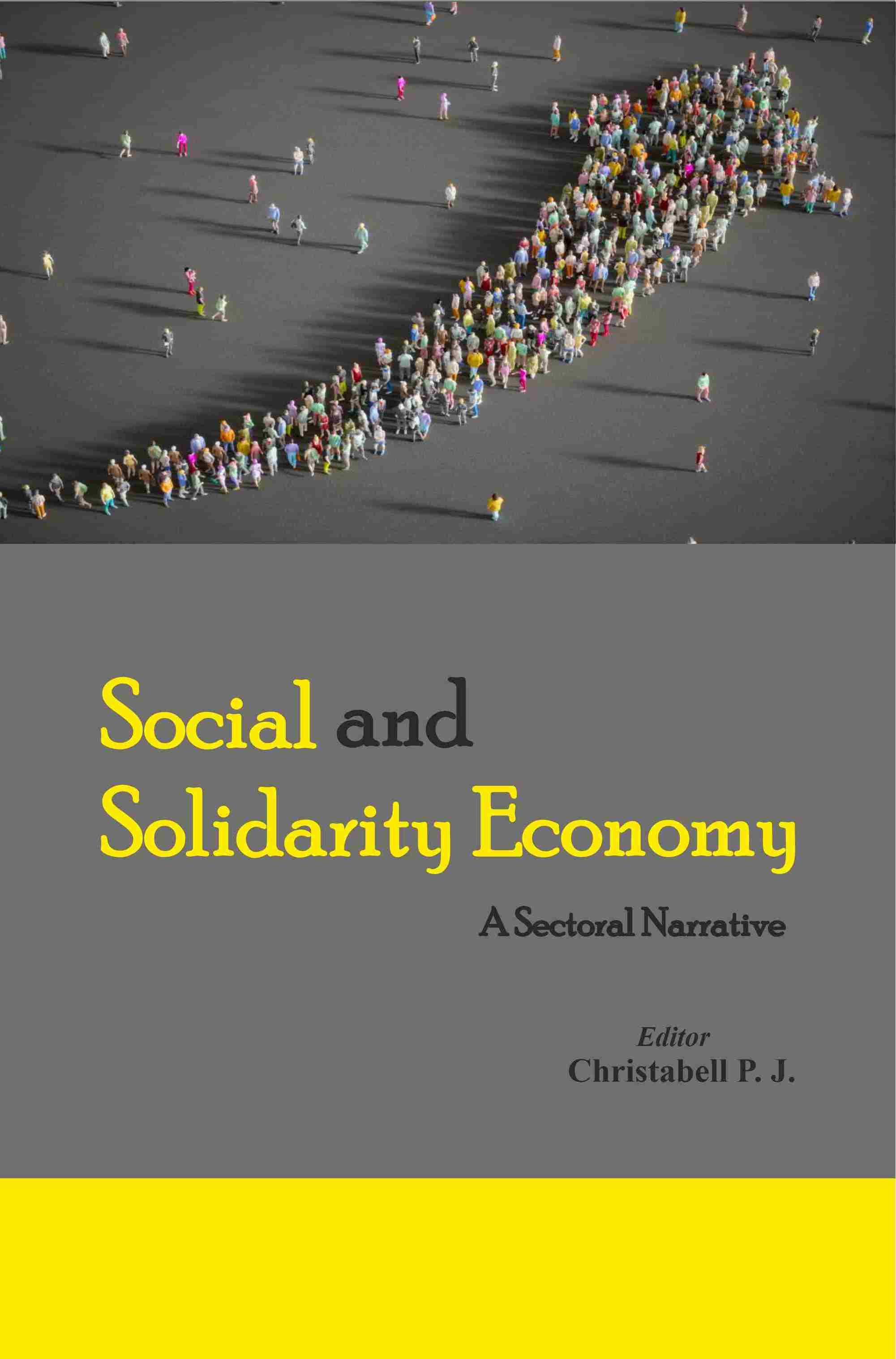
Social and solidarity economy (SSE) is an increasingly popular model for economic development that prioritizes social and environmental goals alongside economic growth. This approach emphasizes collective ownership and democratic decision-making, as well as sustainability, inclusion, and social justice. The term "Social and Solidarity Economy” refers to the growing momentum and influence of the social and solidarity economy (SSE) as an alternative economic model. SSE is a diverse and dynamic field that encompasses a range of organizations and initiatives, including cooperatives, community-based enterprises, social enterprises, fair trade organizations, and more. The increasing recognition of SSE as a viable and sustainable alternative to traditional capitalist models of economic development. It emphasizes collective ownership, democratic decision-making, and social and environmental goals, as well as a commitment to creating inclusive and equitable economies that prioritize the well-being of people and the planet. The SSE is fuelled by a growing number of organizations and initiatives that are creating innovative solutions to complex social and economic challenges. These organizations are proving that SSE can create meaningful change at the community level, while also contributing to broader efforts to create a more just and sustainable global economy.
Dr. Christabell P.J. is currently an Associate Professor, Department of Economics, University of Kerala, Thiruvananthapuram. She was formerly a Faculty Member at ICFAI National College and the University of Gondar, Ethiopia; Assistant Professor in government colleges in Kerala and Department of Futures Studies, University of Kerala. She has previously published two books - Inclusive Growth through Social Capital Formation: Is Microfinance an Effective tool for Targeting Women? (2016) and Women Empowerment through Capacity Building: The role of Micro-Finance (2009); edited one book - Cooperatives, Mutual Aid and Solidarity Economics: Experiences from around the world (2021)- and co-edited a book along with Caroline Shenaz Hossein in 2022 -Community Economies in the Global South: Case studies of Rotating Savings, Credit Associations, and Economic Cooperation published by Oxford University Press, London.
List of Tables List of Figures Preface Contributors Chapter 1. Social and Solidarity Economy: A Sectoral Narrative Chapter 2. Cooperatives and Clusters in the Handloom Weaving Industry Chapter 3. Characteristics and Problems of the Unorganized Service Sector Enterprise in North East India Chapter 4. The Effects of Non-Governmental Organizations on creating income and Employment Chapter 5. Need for an Informal Social Support System among the Commercial Surrogates of Kerala Chapter 6. Kerala's Ageing Economy and Exploring the Role of Community-Based Care Work Chapter 7. Crop Insurance in Kerala: The Journey of a Lost Saviour Chapter 8. Optimization of Rainwater Harvesting: A Study on Domestic Rooftop Rainwater Harvesting Systems in Kerala Chapter 9. Social Capital Formation through Bonding and Bridging: A Case of Kudumbashree in Kerala Chapter 10. Problems of Women Solopreneurs: A Study Conducted in Trivandrum City Chapter 11. Religious Institutions and the Social Solidarity Economy: A Case of the Mar Thoma Syrian Church Chapter 12. Social and Solidarity Economy in Science Communication Activities Chapter 13. Social Economy in India: An Exploration Chapter 14. Investing in Human Capital: Rationale for Food-Based Safety Nets Chapter 15. Role of Cooperatives' Credit in Agricultural Growth of Kerala Chapter 16. Circular Economy: Behavioural Change Intervention and Community Participation

$280.00