
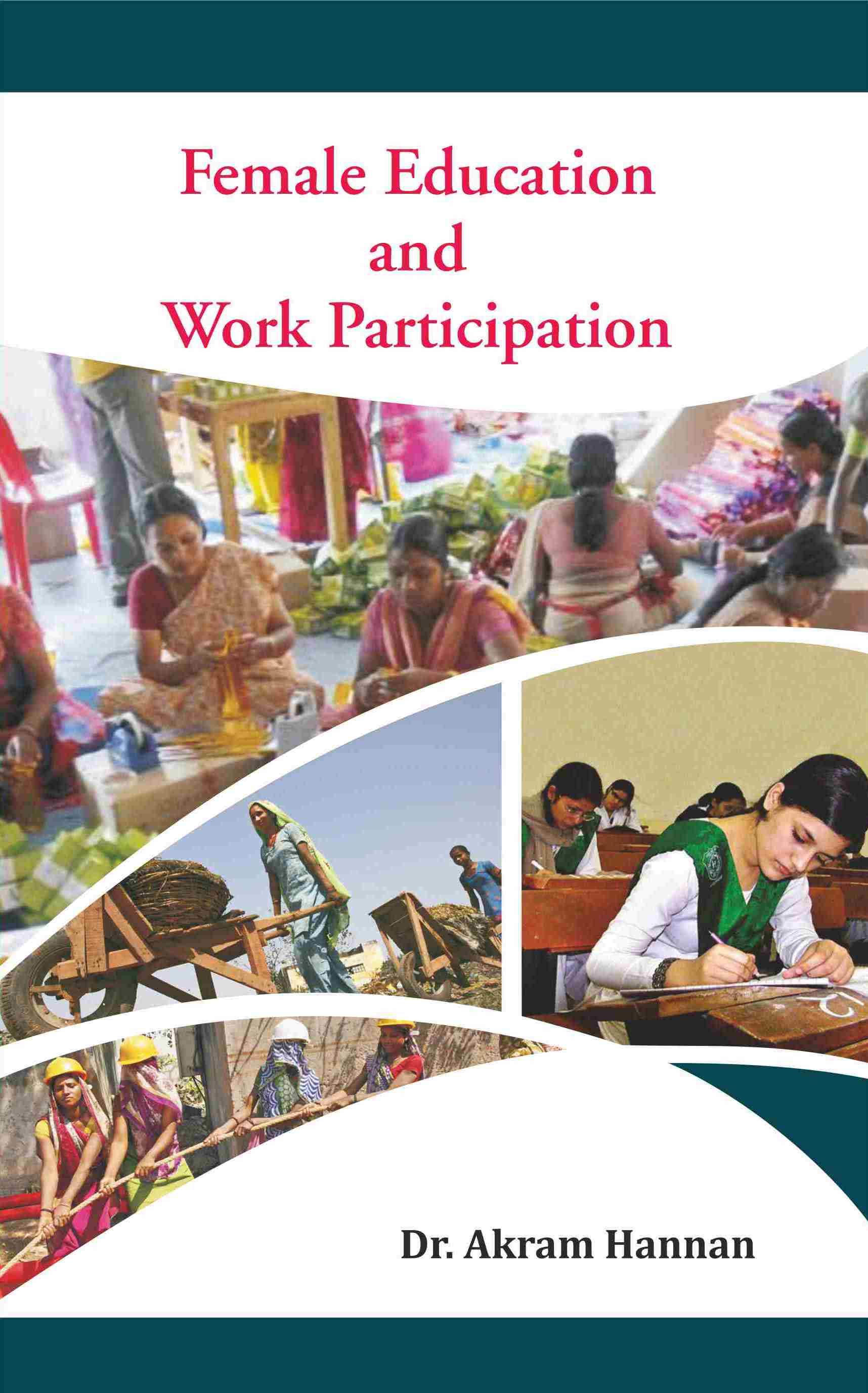
The book deals firstly with the concept and determinants of female education and work participation, secondly trends and patterns of female educational status and work participation separately in Eastern Uttar Pradesh and thirdly structure of work participation i.e. primary, secondary and tertiary occupations. The causal analyses of education and work participation have also been made at districtlevel. These explanations of education and work participation based on the secondary sources of data are documented with more than one hundred and thirty three maps, diagrams and tables. This book is helpful for those who are associated with the study of the problems of female education and employment in India.
Dr. Akram Hannan has obtained his Doctoral degree from Aligarh Muslim University, Aligarh in 2014. He was given University Grants Commission (UGC)Basic Scientific Research (BSR) meritorious scholarship during research I work in (Ph.D.). At present, he is doing PostDoctoral Fellow (PDF) research work, sanctioned by Indian Council of Social Science Research (ICSSR) in the Department of Geography, Aligarh Muslim University, Aligarh, Uttar Pradesh (India). Dr. Hannan has published one book and several research papers to his credit in National and International reputed Journals and edited books. He has also presented many research papers especially in the fields of Population Geography, Agricultural Geography and Rural Development in the various National and International conferences, congress and etc. Besides, he has communicated many papers to various reputed journals. He is a person of great commitment with research work.
| Foreword Acknowledgements List of Tables List of Figures Introduction Chapter-I: Education and Work Participation Rate Chapter-II: Literature Review and Methodology Chapter-III: The Study Area Chapter-IV: Female Educational Status Chapter-V: Female Work Participation Rate Chapter-VI: Occupational Structure of Female Population Chapter-VII: Dimensions of Female Educational Status and Work Participation Rate Conclusion and Suggestions Bibliography |

$280.00