
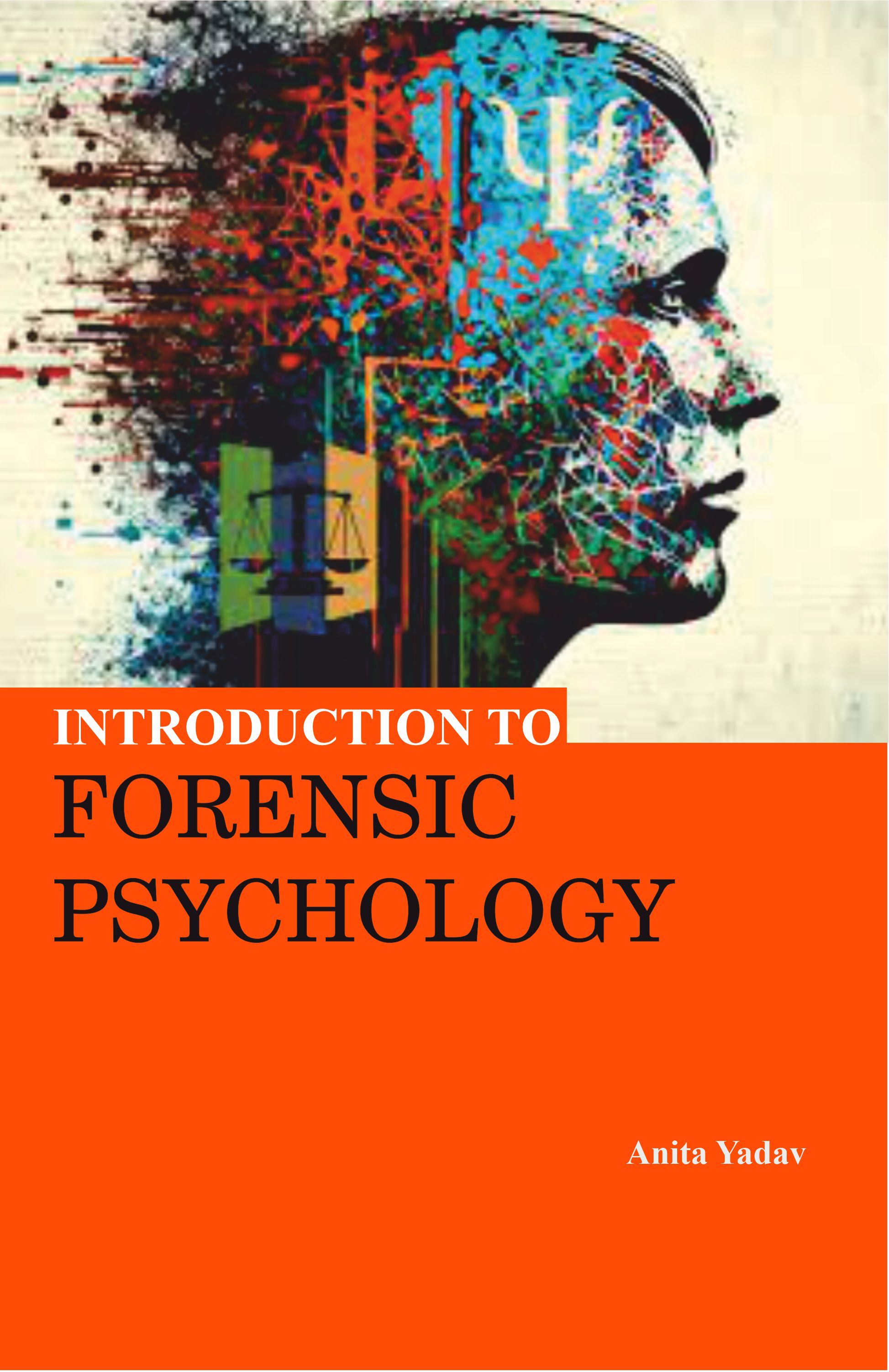
Most forensic psychology textbook authors describe forensic psychology as having a broad definition and a narrow definition. Forensic psychology, as defined by the American Psychological Association, is the application of clinical specialties to the legal arena. This definition emphasizes the application of clinical psychology to the forensic setting. Christopher Cronin, who has written a wellknown textbook on forensic psychology, defines it as “The application of clinical specialties to legal institutions and people who come into contact with the law” (p. 5), again emphasizing the application of clinical skills such as assessment, treatment, evaluation to forensic settings. This is considered a narrow definition. The broad definition of forensic psychology emphasizes the application of research and experimentation in other areas of psychology (e.g., cognitive psychology, social psychology) to the legal arena. This would include applying results from studies in areas such as cognitive psychology to legal questions. Two good examples include Elizabeth Loftus’ many studies on eyewitness identification and Stephen Ceci’s research on children’s memory, suggestibility and competence to testify. Cronin labels this definition “legal psychology” or “The scientific study of the effect of the law on people, and the effect people have on the law.” Thus, the practice of forensic psychology, and perhaps the most frequent duty of forensic psychologists, is the psychological assessment of individuals who are involved, in one way or another, with the legal system. Therefore, although it is necessary to have training in law and forensic psychology, the most important skills a forensic psychologist must possess are solid clinical skills. That is, skills like clinical assessment, interviewing, report writing, strong verbal communication skills (especially if an expert witness in court) and case presentation are all very important in setting the foundation of the practice of forensic psychology.
Dr. Anita Yadav is working as faculty in the department of psychology, Indira Gandhi university, Meerpur, District Rewari, Haryana. She holds her M.sc. in Applied Psychology , M. A. In Education, Ph.D in Applied psychology having 12 years of teaching experience. Dr. Anita Yadav has authored three books in the field of Psychology. She has published several research papers in esteemed national and international journals. Dr Anita Yadav has also been associated as chief editors of various magazines and has been instrumental in organising various national and international seminars and conferences.
Volume I Preface Chapter 1. Forensic Psychology Chapter 2. Victims of Crime and Forensic Psychology Chapter 3. Offences and Offenders Chapter 4. Research Methodologies in Forensic Psychology Chapter 5. Psychology in the Court Room Chapter 6. Police Psychology Bibliography Index Volume II Preface Chapter 1. Forensic Psychology and Law Chapter 2. Civil Forensic Evaluation in Psychological Chapter 3. Expert Witness Chapter 4. Correctional Psychology Chapter 5. Juries and Legal Decision Making Chapter 6. Children and The Law Chapter 7. Forensic Mental Health Chapter 8. Etiology of Adult Sexual Offending Chapter 9. Genocide and Hate Crime Bibliography Index

$280.00